The Trades Hall and the Labour Movement
The Willesden Trades and Labour Hall is a building with great historical and cultural significance to Brent, London and the nation as an iconic home for the British Labour movement.
Since the early twentieth century the hall has played a crucial role in the political, economic and social history of the local area and nation. From no. 375 High Road trade unionists and Labour movement activists have met and organised industrial action and campaigns for over 100 years: it has been the venue for significant advances in emancipation, particularly with respect to women’s workers’ rights as headquarters for actions from the National Federation of Women Workers in the early twentieth century, and for the 2-year Grunswick strike of the 1970’s organised by the first Asian women workers to unionise in the UK. In 1924 Sylvia Pankhurst founded the Willesden Branch of the Communist Workers Movement at the Hall. In 1926 the Hall was the headquarters for the national General Strike and the Peoples March, the biggest industrial action ever in the UK. In the 1980s it was the London base for the Miners Strikes. The Hall’s reputation for solidarity was international: when Nelson Mandela visited the UK in 1962 his intention was to speak at the Hall, but the attendance was overwhelming and had to be moved to another venue.
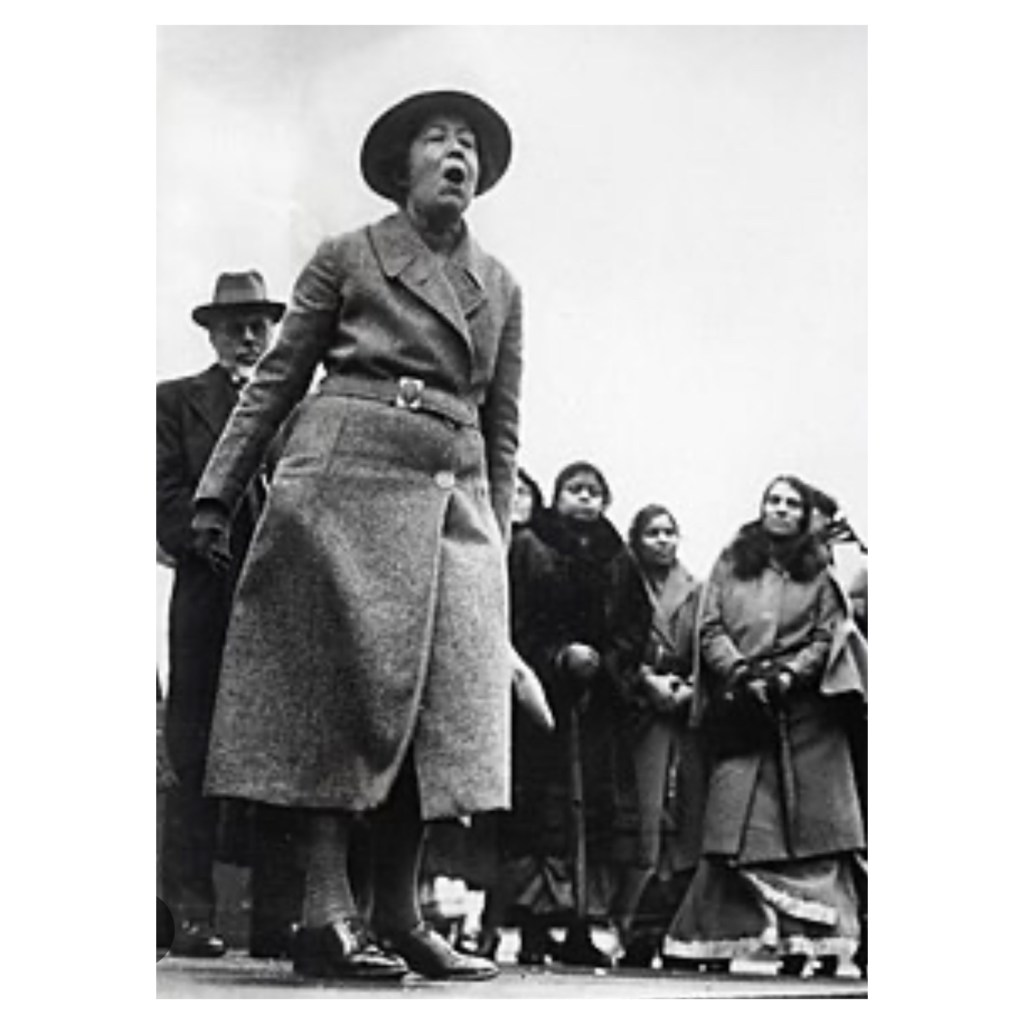
Sylvia Pankhurst, founder of the Communist Workers Movement, 1924
Read A history of the Hall here…
 WILLESDEN TRADES HALL and the LONDON APOLLO CLUB